Museo de la Luz
Interactive Installation Proposal — Mérida, Yucatán
Interactive Installation Proposal — Mérida, Yucatán
Museo de la Luz is a science and culture museum in Mérida, Yucatán dedicated to exploring light as a physical and perceptual phenomenon. This anteproyecto responds to a commission to design interactive and immersive installations for the museum space — experiences that make the science of optics, stroboscopic animation, and spatial illusion available through direct encounter.
The proposal develops three complementary installations anchored in a shared framework: Maya cosmovision and its cyclical understanding of time and perception. Each installation operates through a different mechanism — kinetic rotation, infinite reflection, and anamorphic illusion — but each reveals the same gap between physical reality and the mind’s construction of it.
The project was developed as an academic collaboration, producing installation design, structural engineering, spatial planning, materials specification, and reduced-scale prototyping across all three proposals.
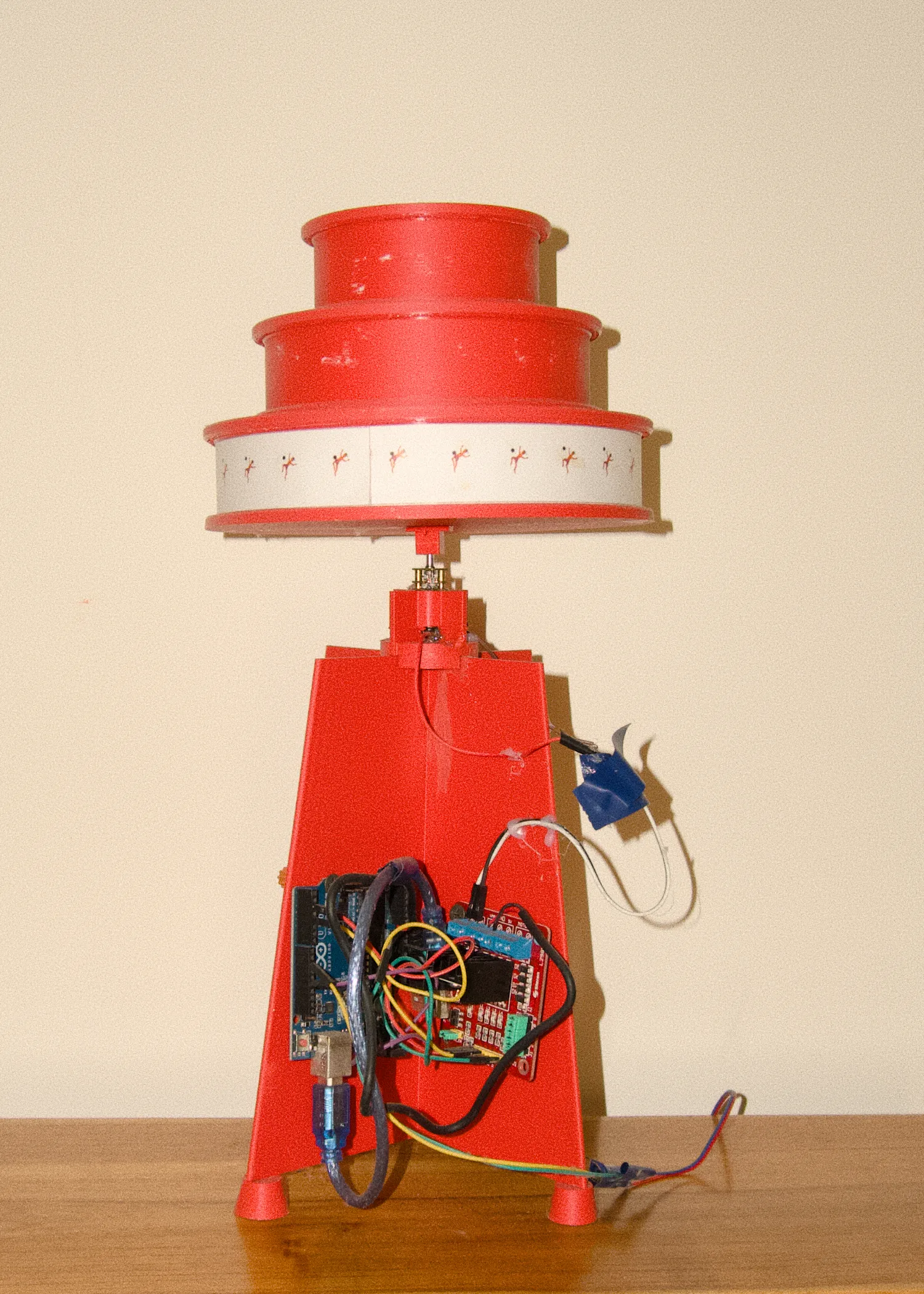
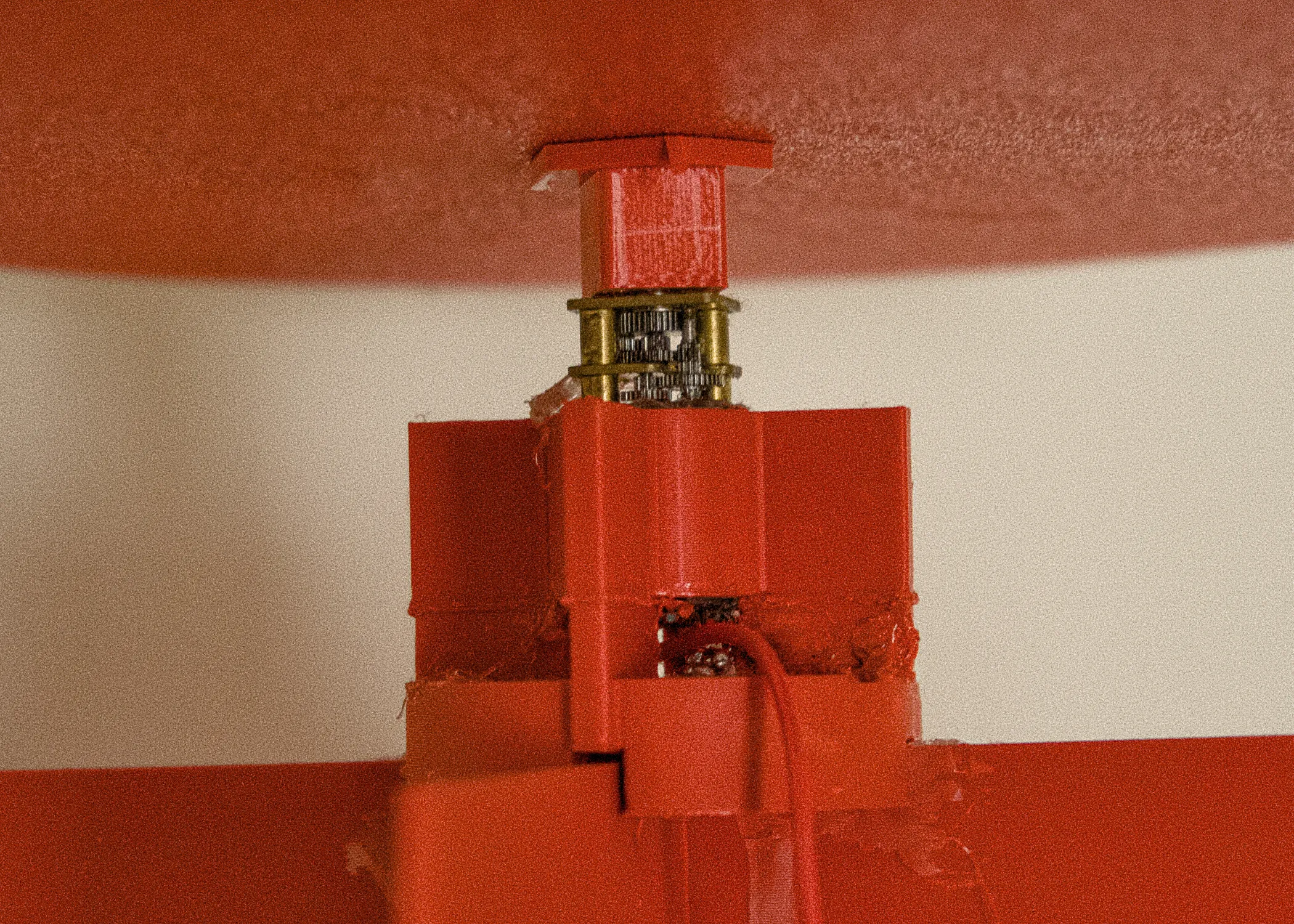
Before the final proposal shown in the sections that follow, a reduced-scale, functional model was built to test the core mechanism live: a rotating disc under strobe light, driving the illusion of motion from a sequence of static figures. What worked here — and what didn’t — carried directly into the museum-scale design.
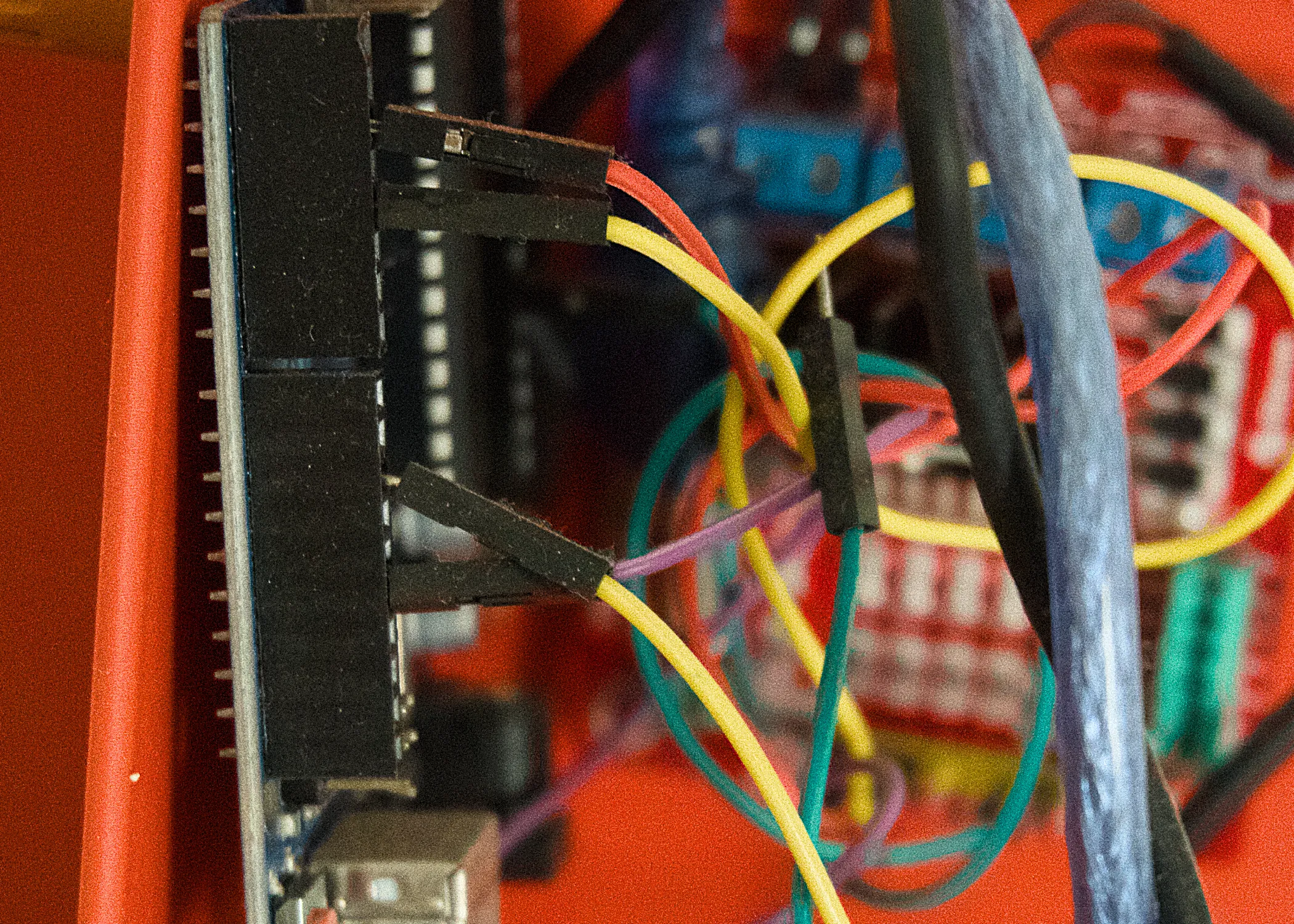
3D printed in PLA and hand-painted — designed and printed independently, with rotation and strobe timing controlled by an Arduino housed inside the tripod base. A printed strip carries the figure sequence around the drum, and a carved-pattern band previews the ornamental language later developed in terracotta and relief for the final piece.
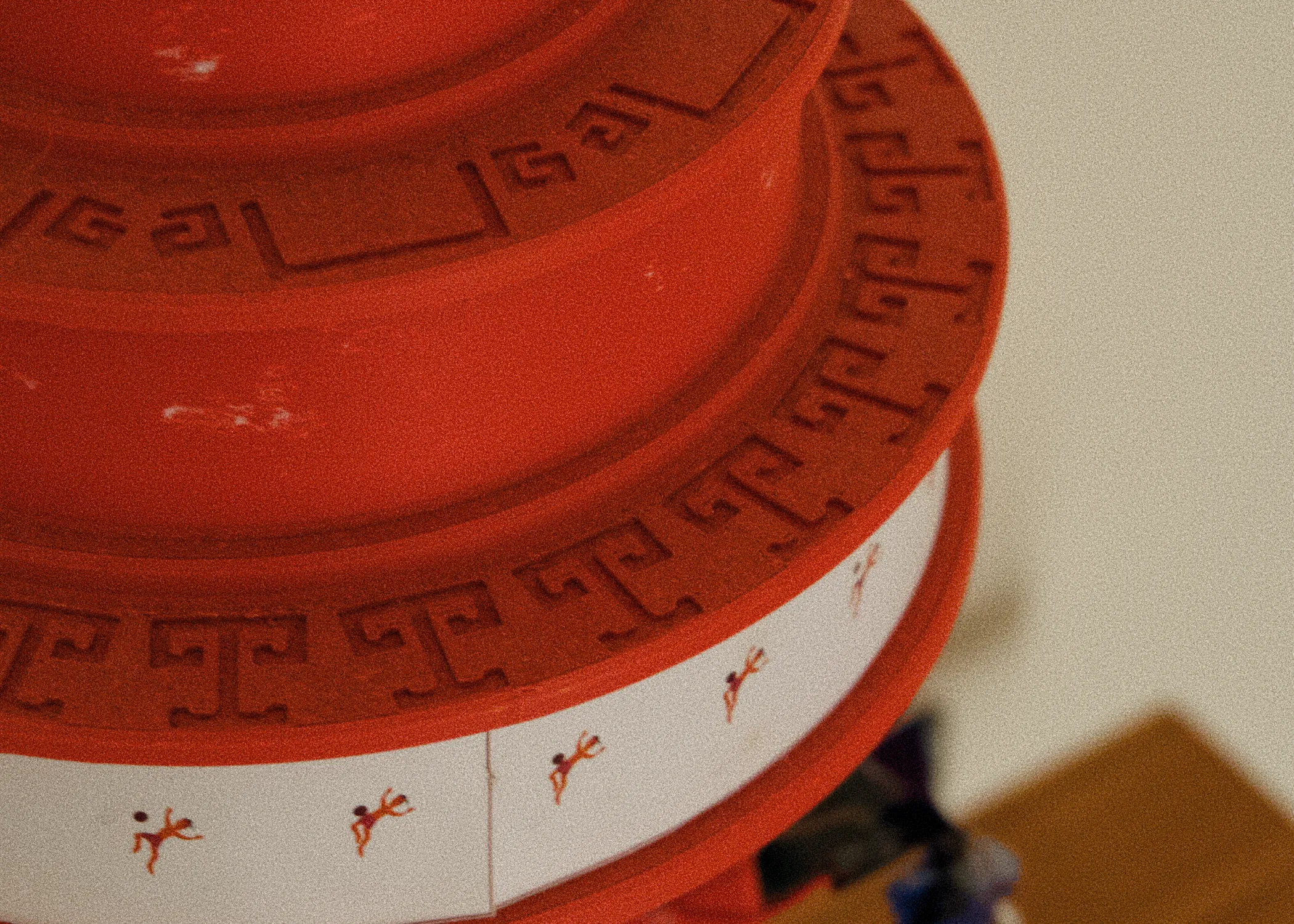
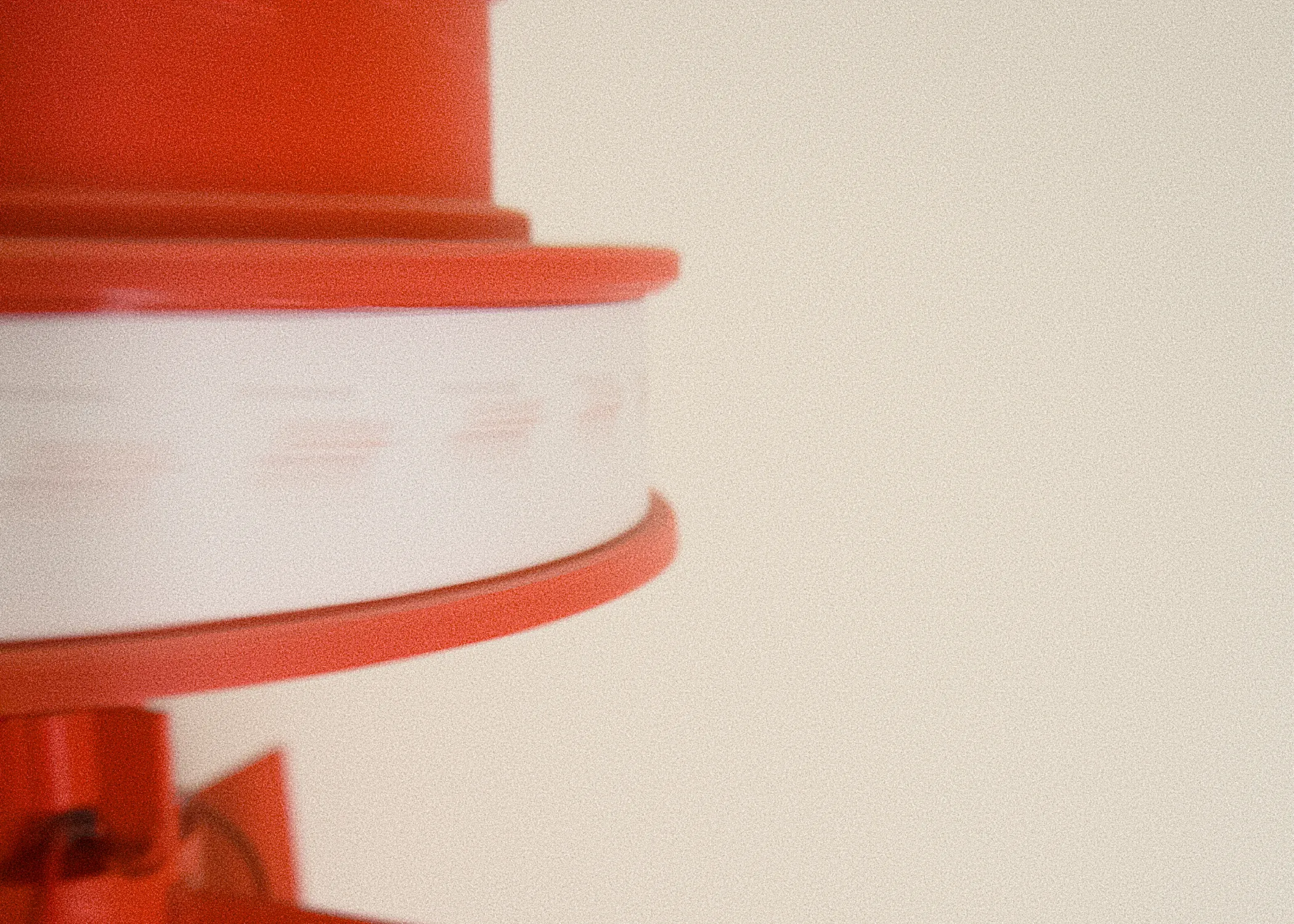
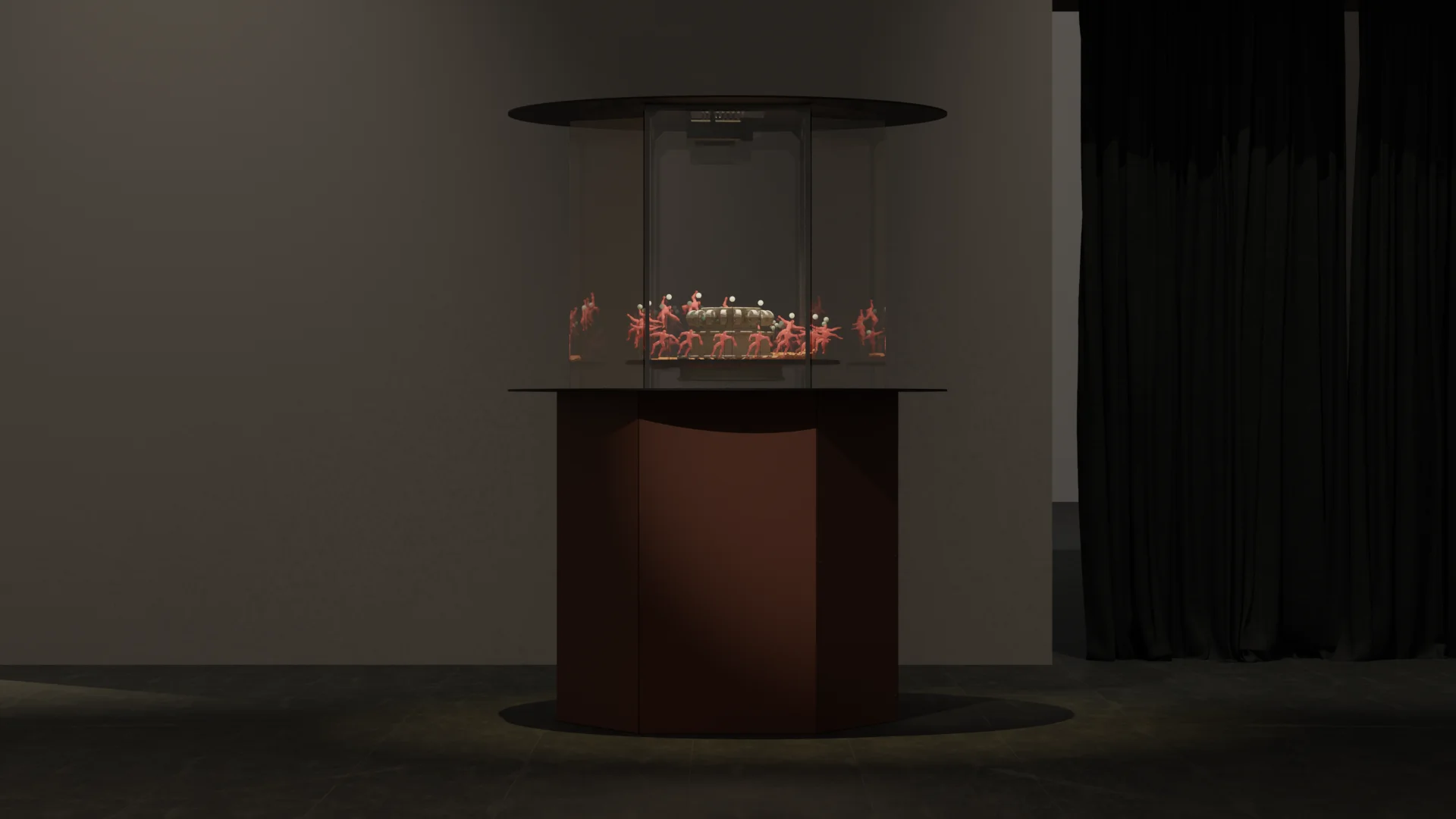
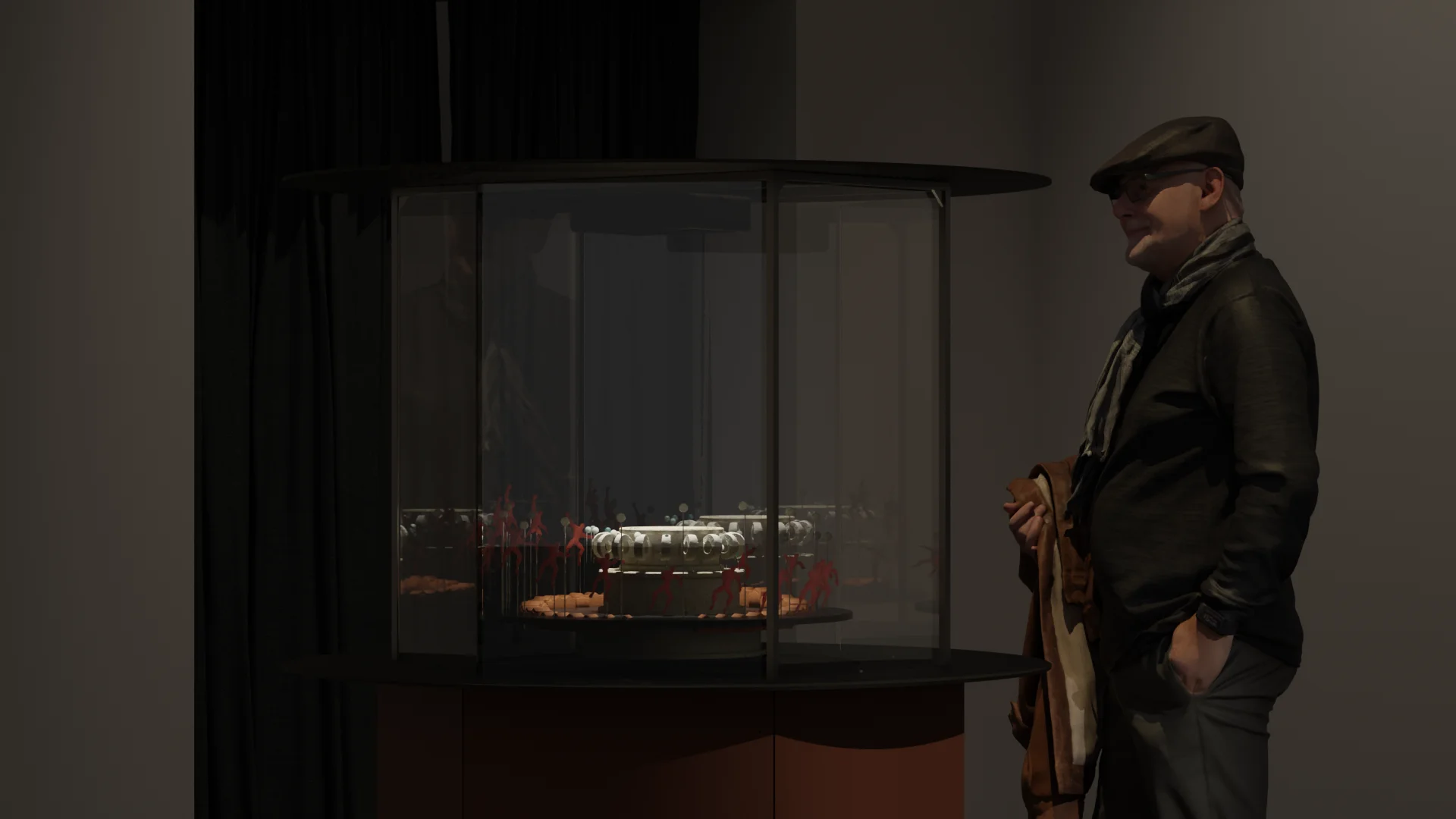
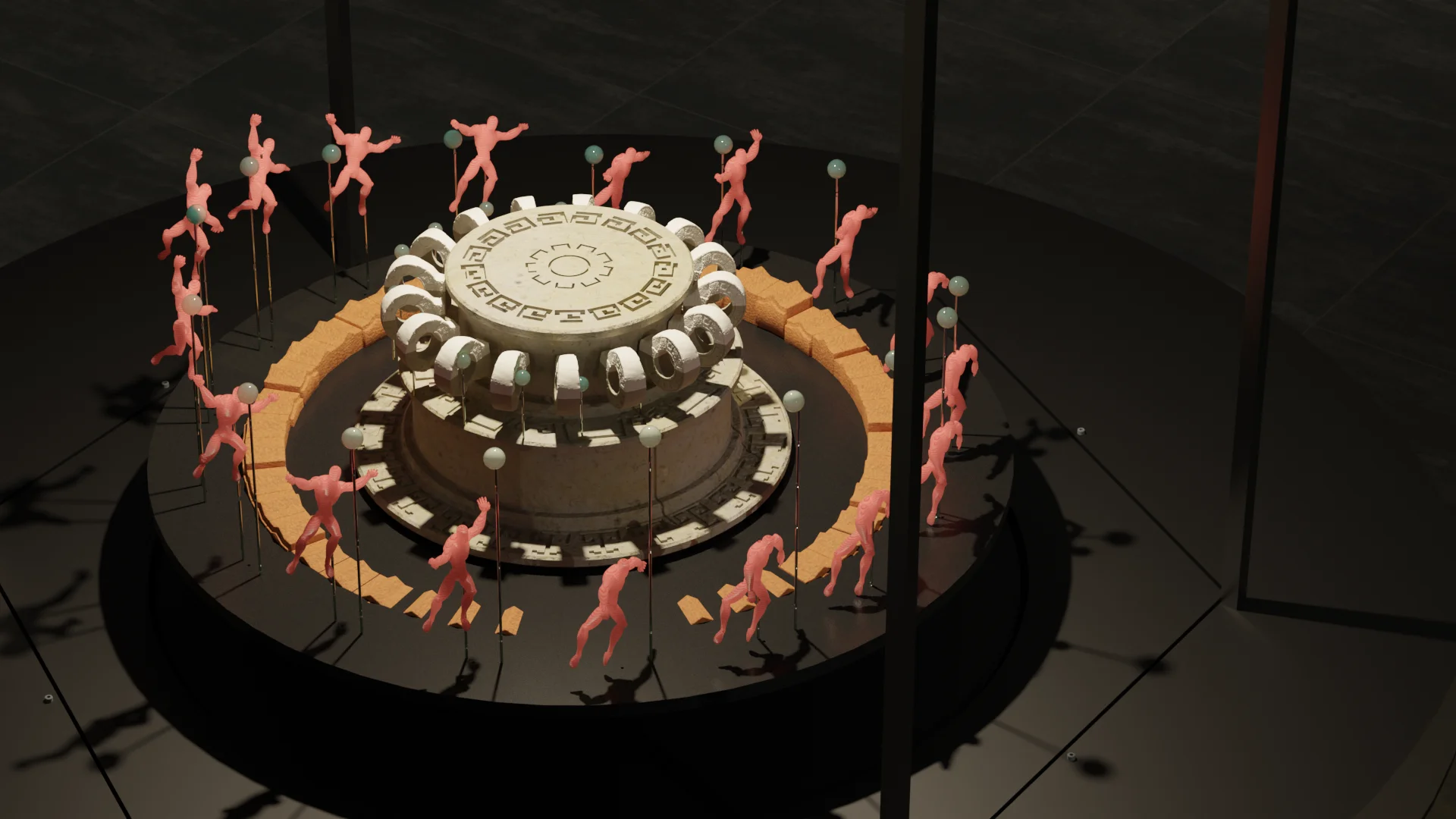
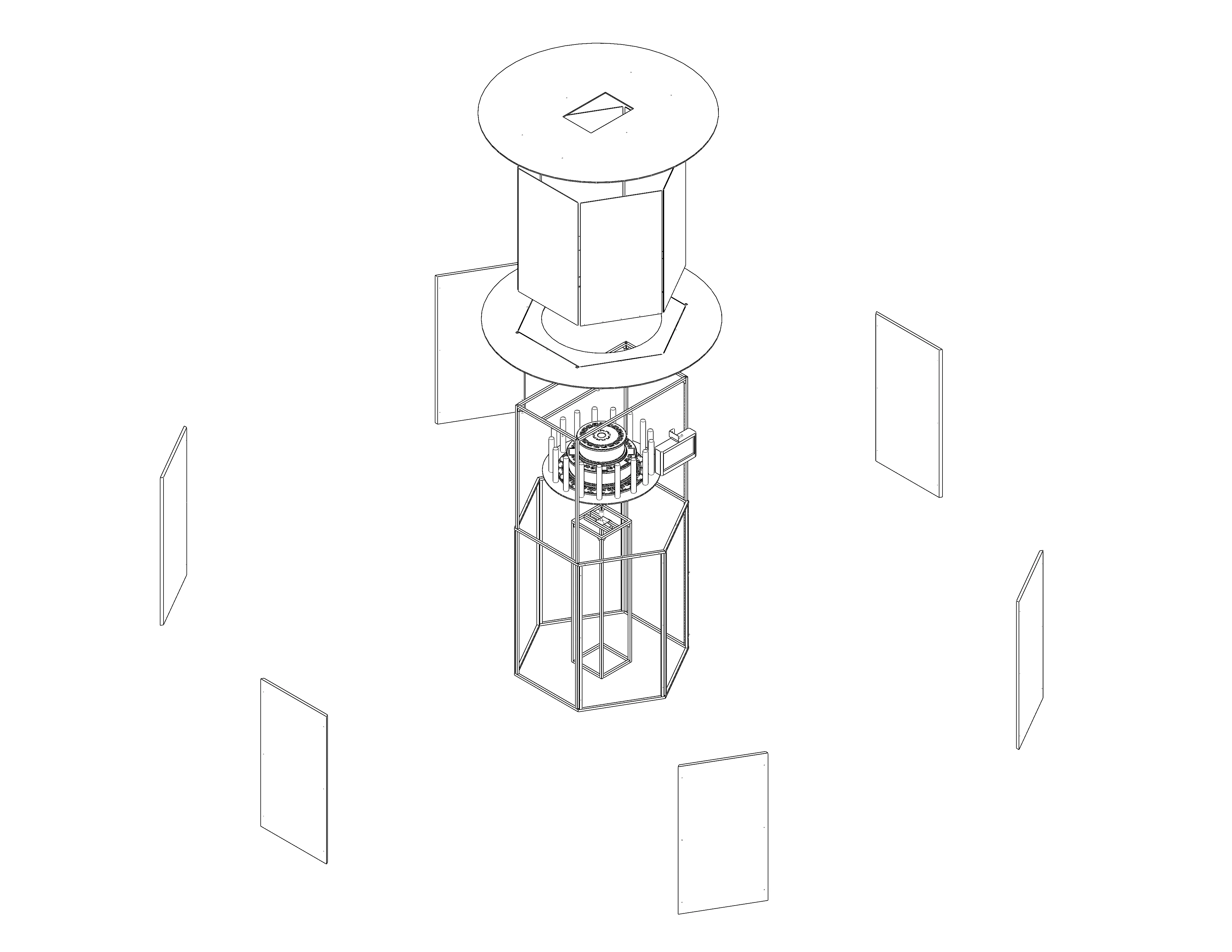
The 3D Zoetrope is a kinetic installation that transforms a set of static figures into the illusion of fluid motion through coordinated rotation and stroboscopic light. Twelve Maya ball-player figures — each capturing a successive posture in the sequence of play — are mounted on vertical rods above a rotating disc. Under precisely timed strobe light, the figures appear to animate continuously as the platform turns.
This is the final, museum-scale proposal — refined from the reduced-scale prototype shown above.
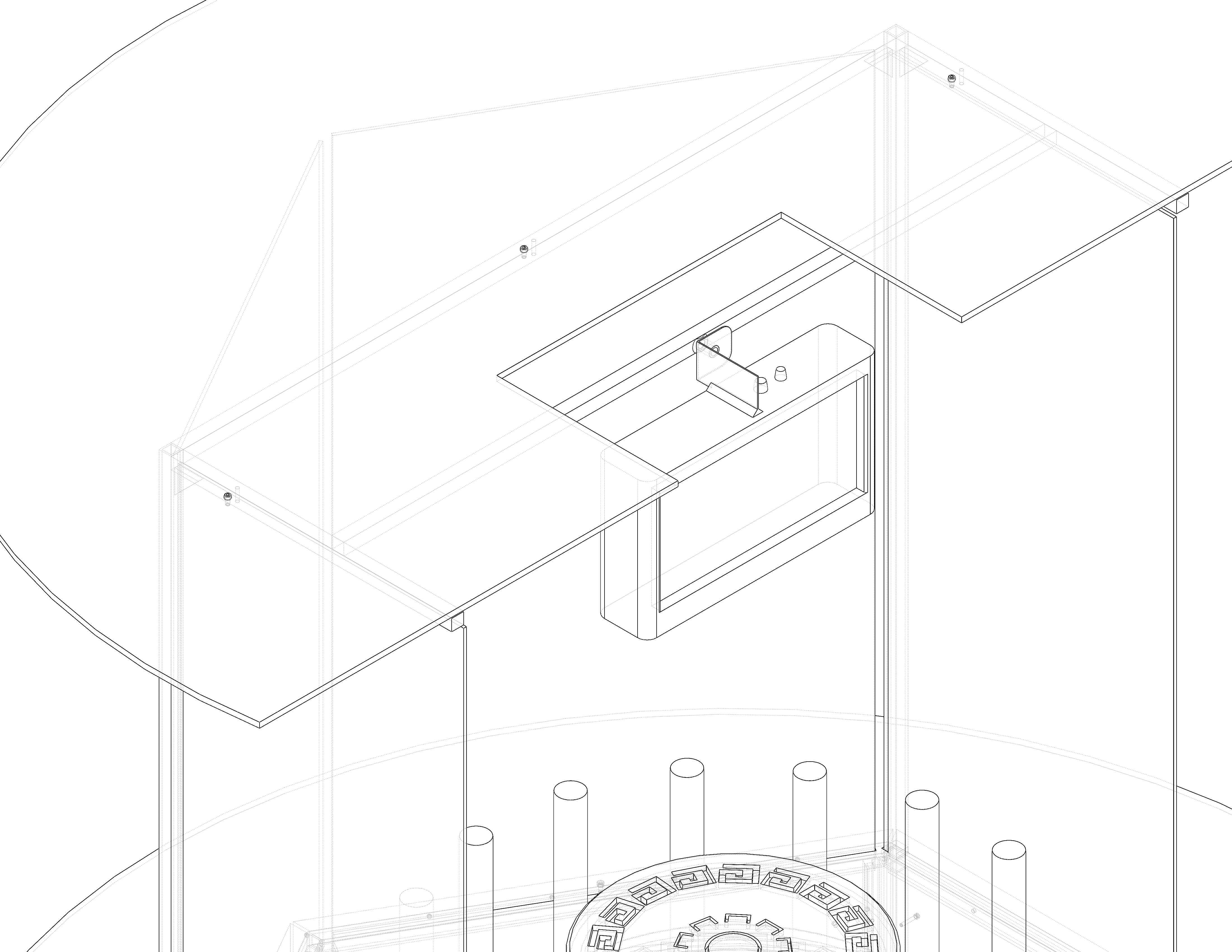
The enclosure resolves the relationship between the mechanism and the visitor: glass panels on an octagonal frame make the interior fully visible while protecting the figures. The terracotta-red pedestal and carved relief band reference the material and ornamental language of Maya stonework, grounding the optical illusion in a cultural register.
Rotation is driven by a Nema 42 stepper motor housed in the base. Speed is controlled precisely and synchronized with LED strobe units mounted in the upper disc. The strobe timing determines the perceptual frame rate of the animation — adjusting it shifts the apparent movement from slow and fluid to staccato and fragmented.
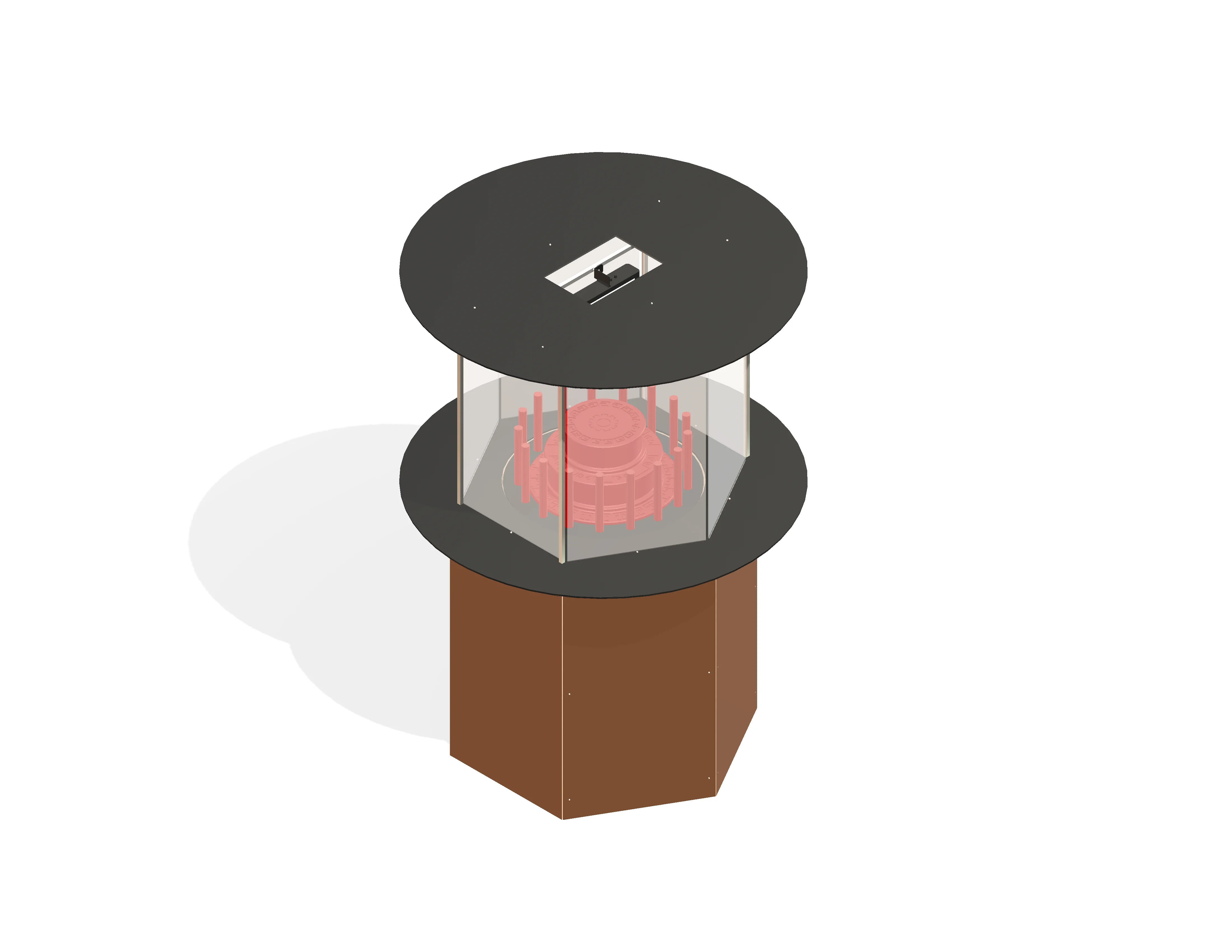
| Structure | MDF / aluminum profiles |
| Enclosure | Tempered glass panels |
| Drive | Nema 42 stepper motor |
| Lighting | Stroboscopic LED strip, programmable timing |
| Figures | 3D-printed resin, hand-finished |
| Base finish | Terracotta lacquer, carved relief band |
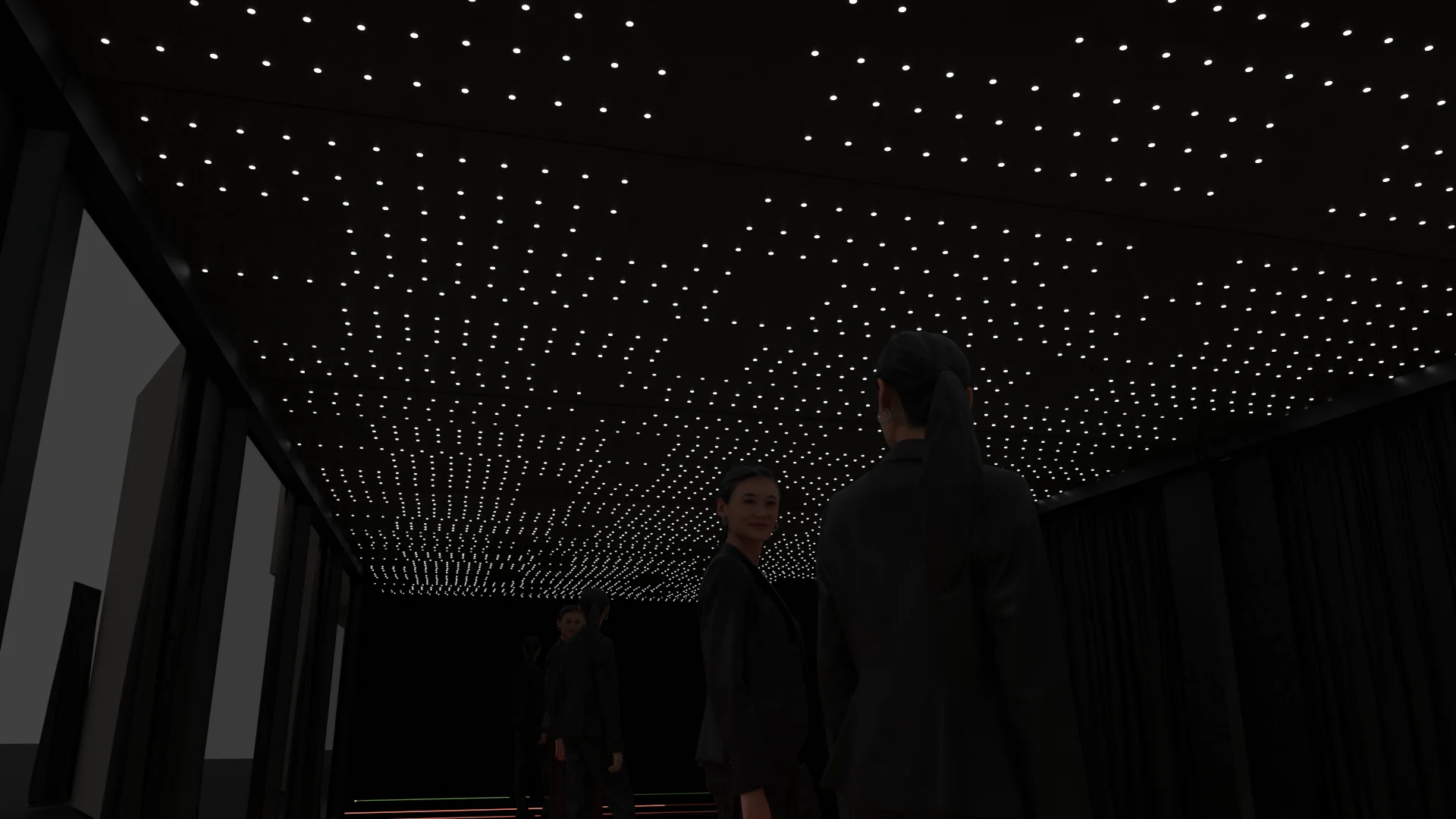
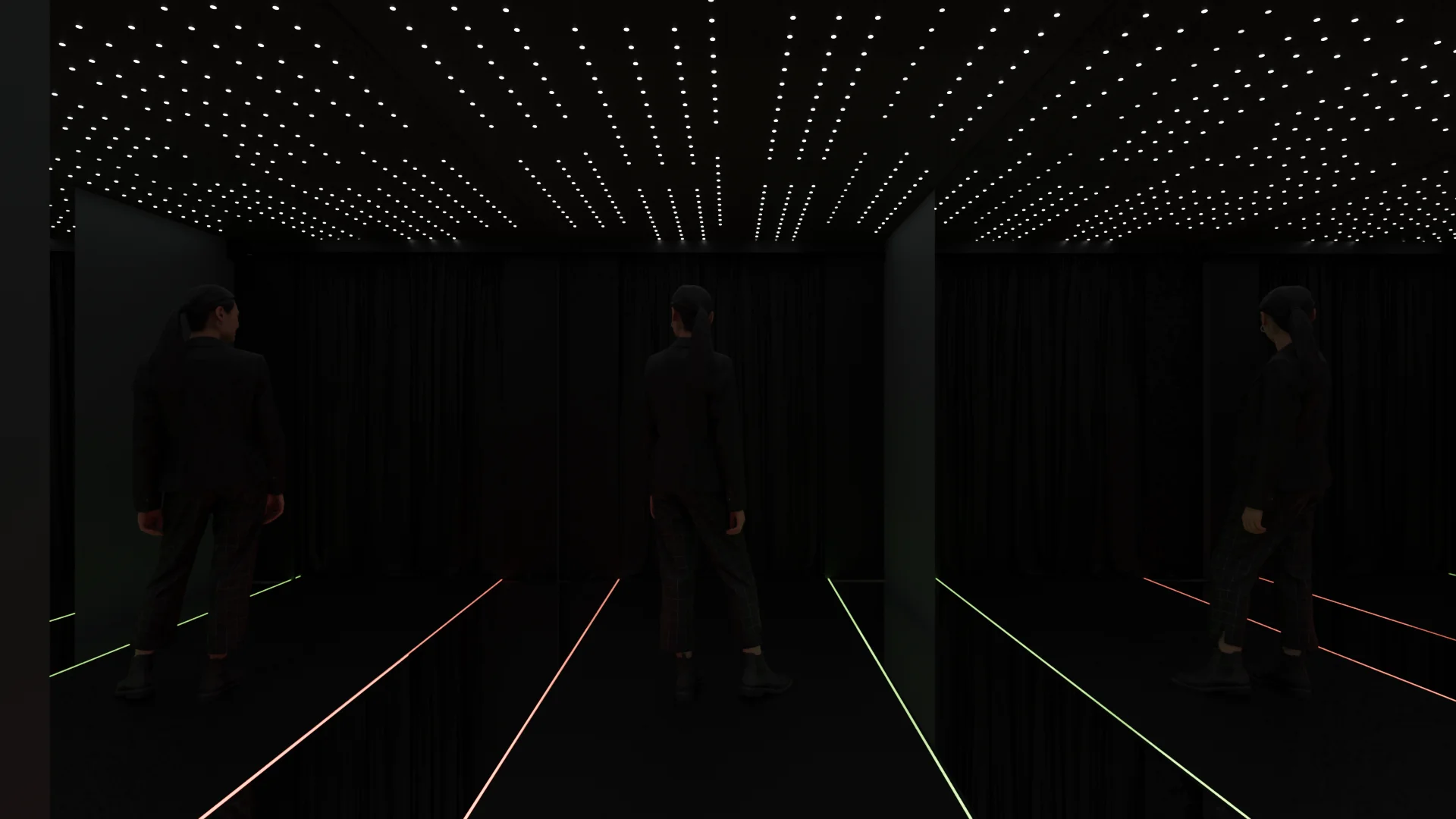
The Infinity Room uses opposing mirror surfaces and programmable LED lighting to generate the perceptual illusion of infinite spatial expansion. A grid of LED points distributed across the ceiling creates a field of light that appears to recede without end in each mirrored reflection. Colored light bands along the floor define a ground plane within the infinite environment, orienting the visitor while preserving the disorienting depth of the illusion.
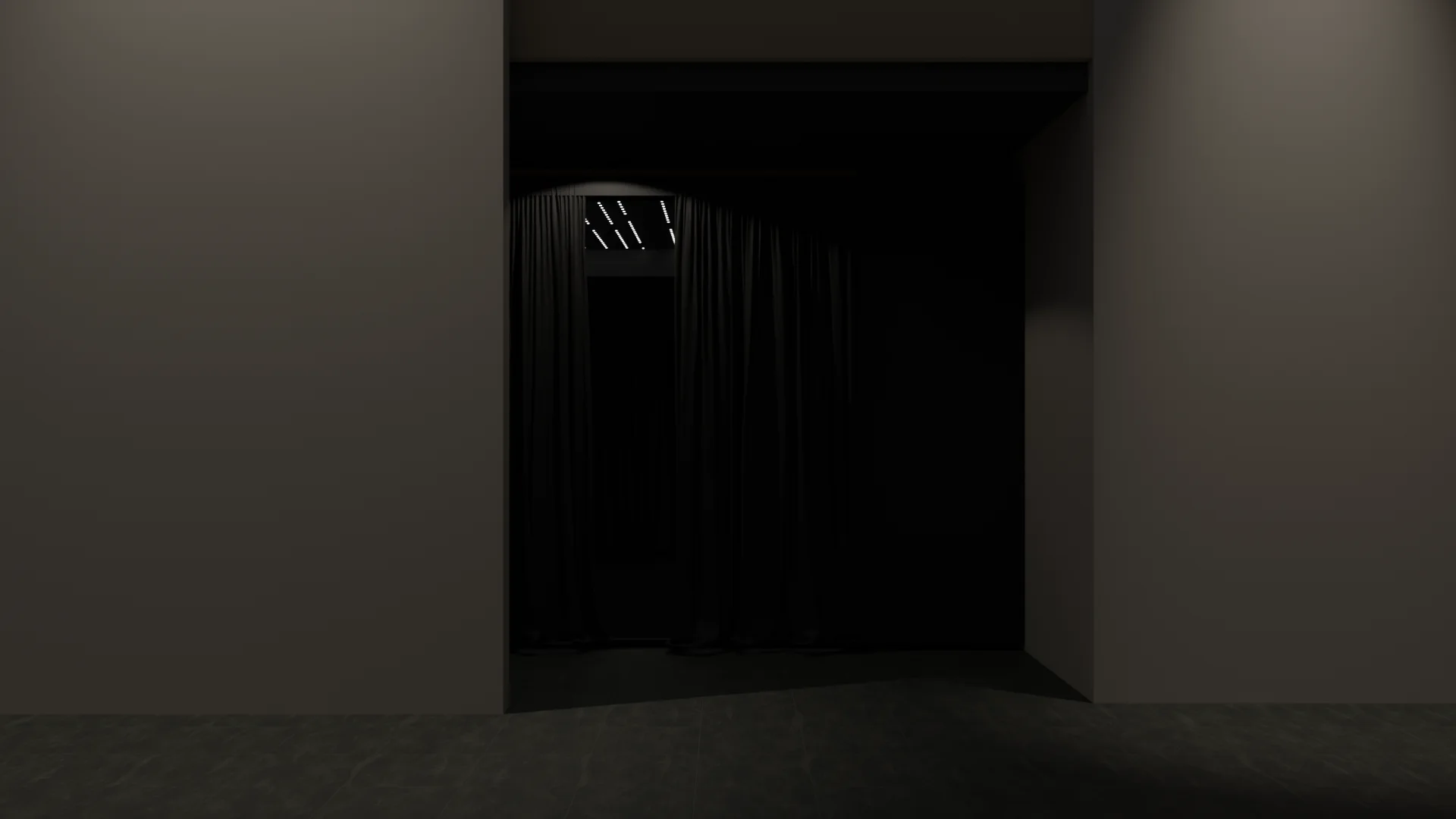
The experience begins before entry: a narrow curtained passage transitions the visitor from ambient museum light into complete darkness, calibrating the eye before the full installation is revealed. Dark materials throughout — epoxy-painted floor, black OSB walls — minimize reflections of the visitor's own body and maximize the perceived depth of the mirrored field.
| Walls | Mirror panels / color-tinted mirror |
| Ceiling | Black MDF with LED grid, programmable |
| Floor | OSB substrate · black epoxy paint |
| Entry | Curtained passage, light-isolated |
| Footprint | 4.2 m × 2.8 m · H 2.4 m |