Ventra
Modular lattice system for passive thermal comfort in hot-humid climates.
Brief
Ventra grew from a long-standing passion for automotive design — specifically the aerodynamic language that governs how air moves around a body. That obsession with airflow led to a question: what happens when you take those same fluid dynamics principles and apply them not to a vehicle, but to an architectural surface? The project became an intersection of automotive engineering, architecture, and industrial design — three disciplines that rarely speak to each other, but share an underlying grammar of form and performance.
In extreme heat contexts, conventional screen walls often prioritize aesthetics over performance. The result is inconsistent airflow, poor solar management, and spaces that depend entirely on air conditioning to be livable. The challenge was to design an architectural surface that functions, at its core, as a climate control device — one that could be industrially produced, modularly assembled, and formally resolved.
Concept
To develop a module capable of directing airflow and improving thermal perception without compromising natural light. The system had to be repeatable, modular, and manufacturable at scale, translating thermodynamic principles into a real-world industrial design solution.
Creative Process
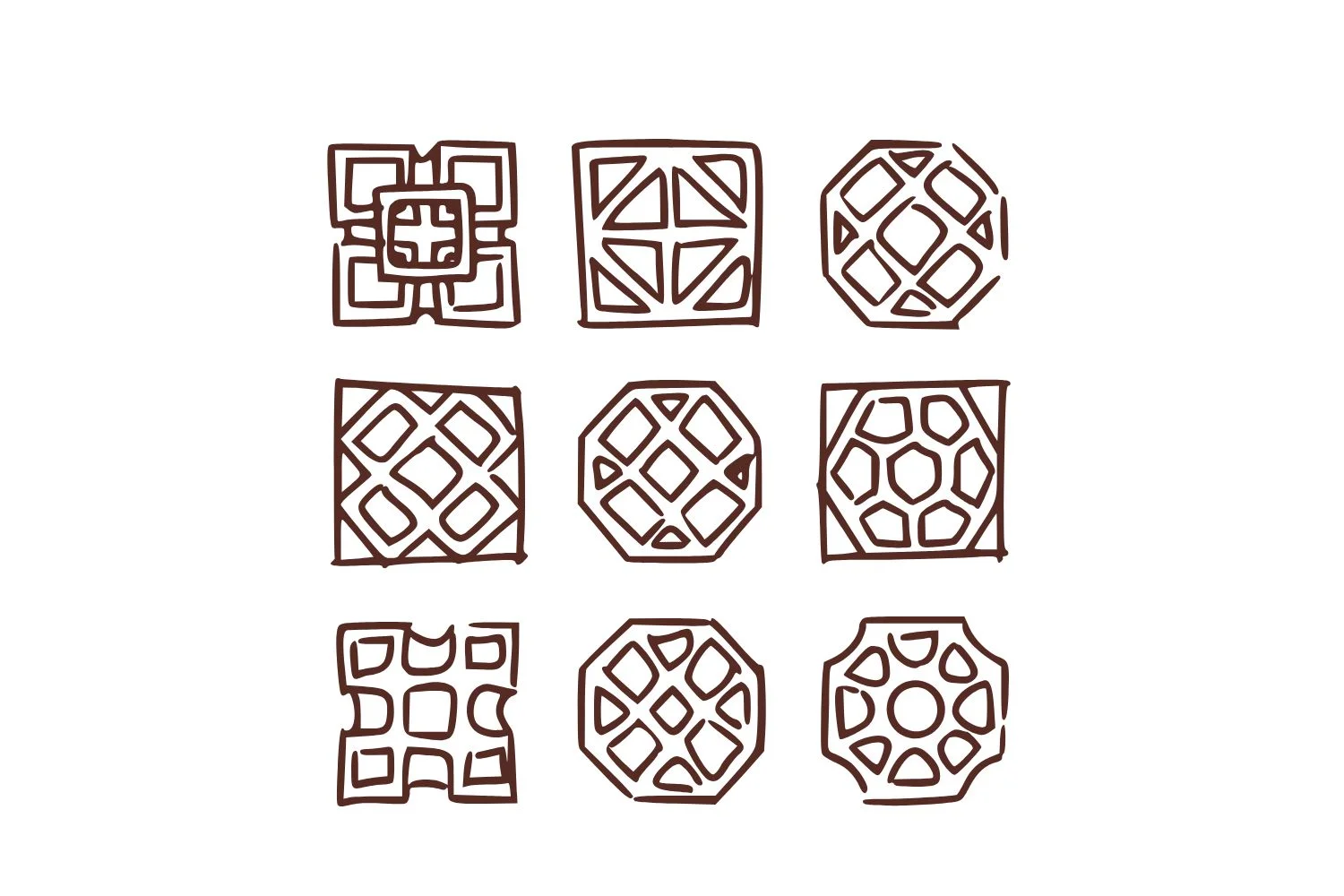
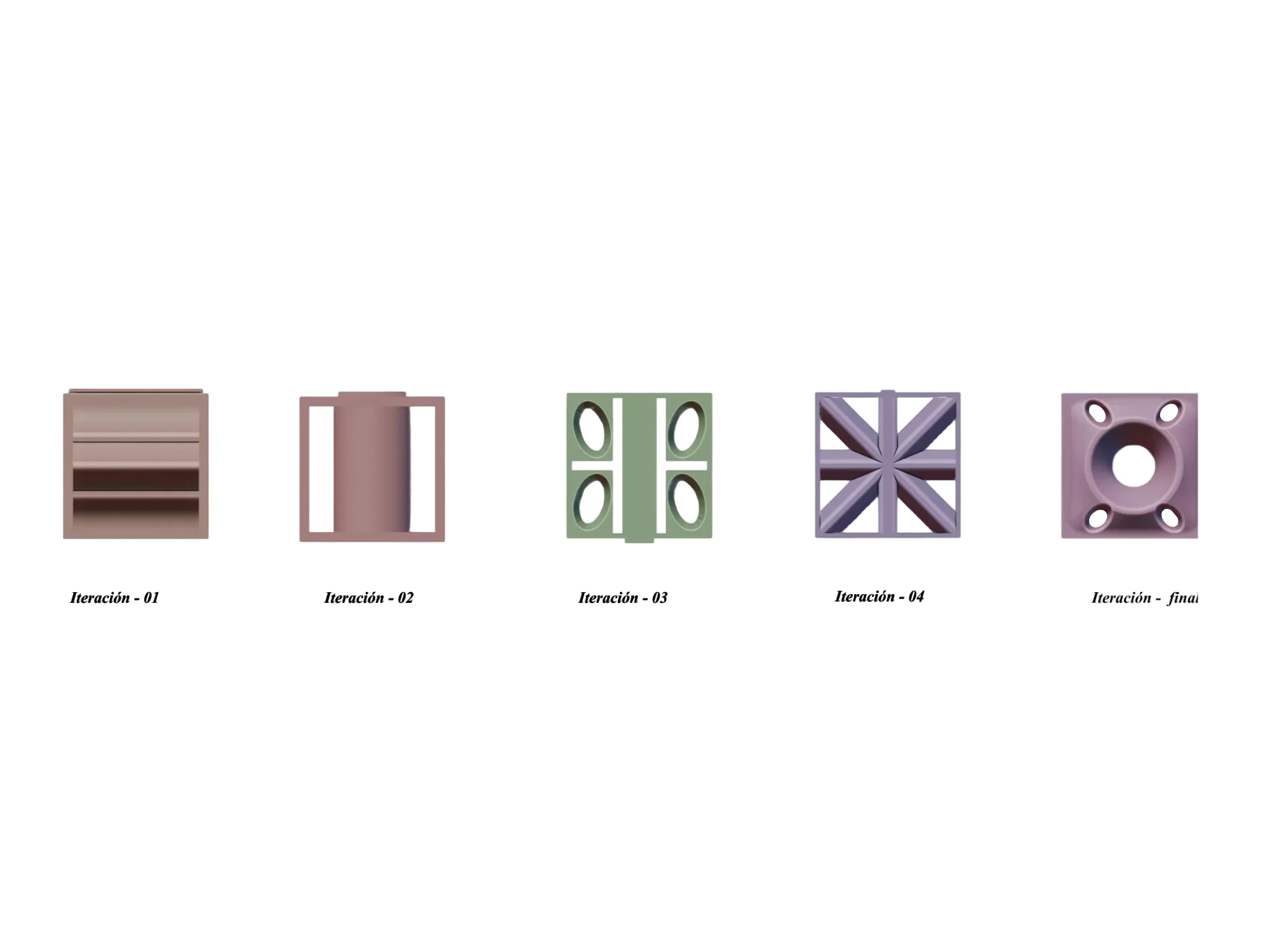
Development began with a phase of morphological sketching, exploring geometries capable of inducing physical phenomena such as the Venturi and Chimney effects. Through technical drawing and three-dimensional exploration, the initial forms were conceptualized to allow air to accelerate and change direction in a controlled manner. Every geometry was evaluated not only for performance but for its ability to be demolded and assembled without complications.
Prototyping
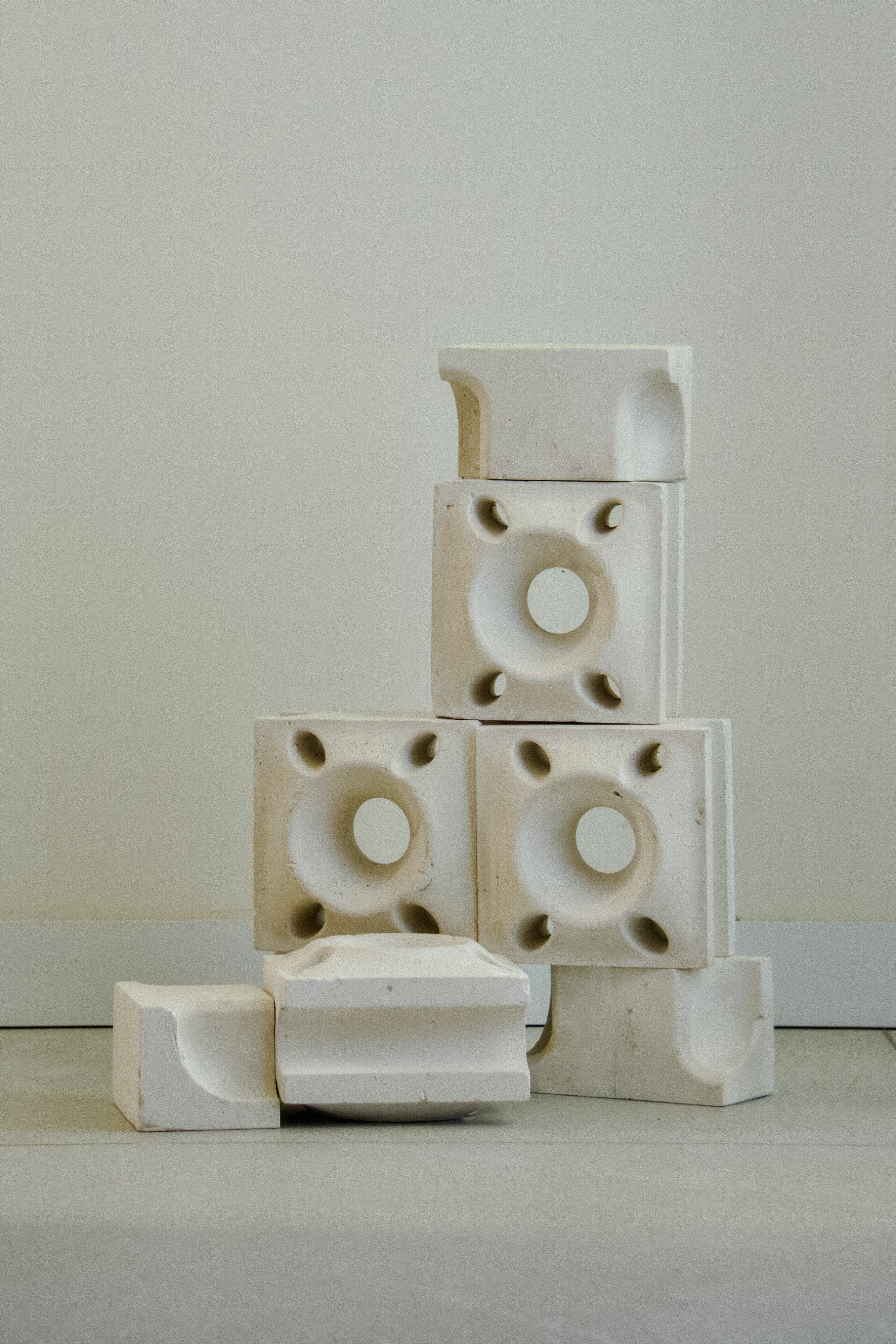
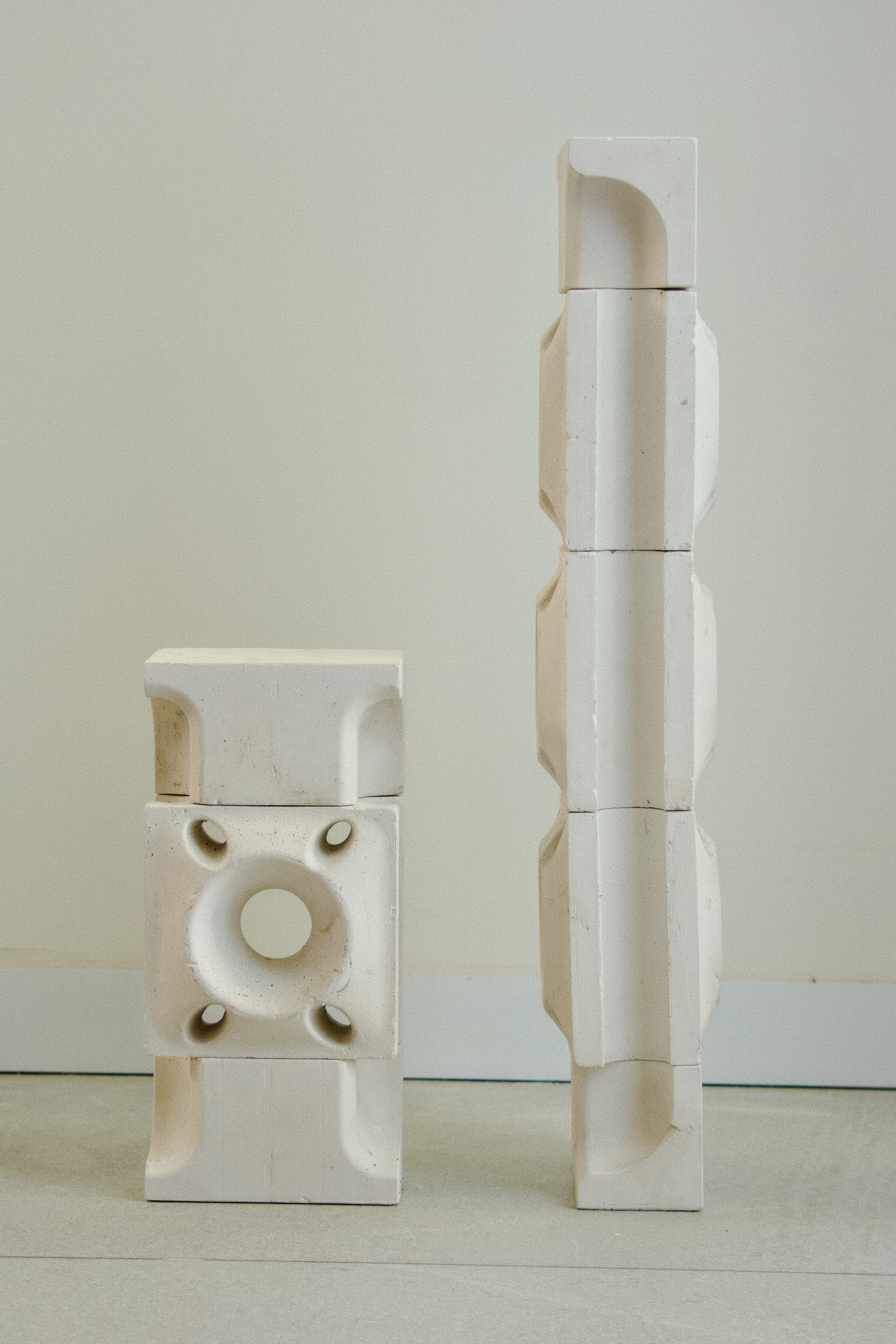
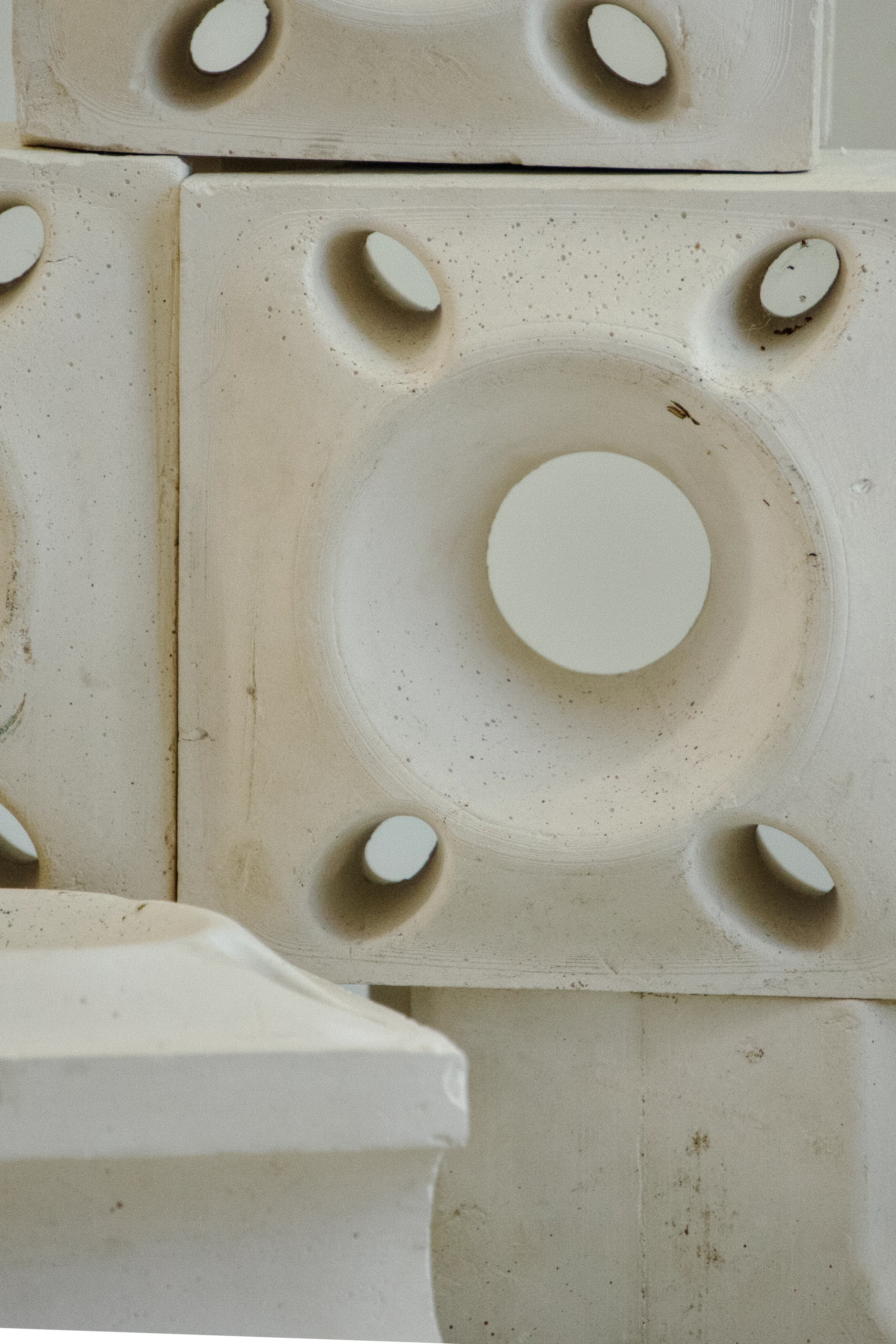
Low-fidelity prototypes were built to evaluate scale, modular assembly, and how light interacted with the inclined planes of each piece. This stage was crucial for discarding complex geometries that would have complicated manufacturing. The process moved through an iterative cycle from the first gypsum casts to final adjustments in angle of incidence, refining both manufacturability and structural integrity at each round.
3D Development
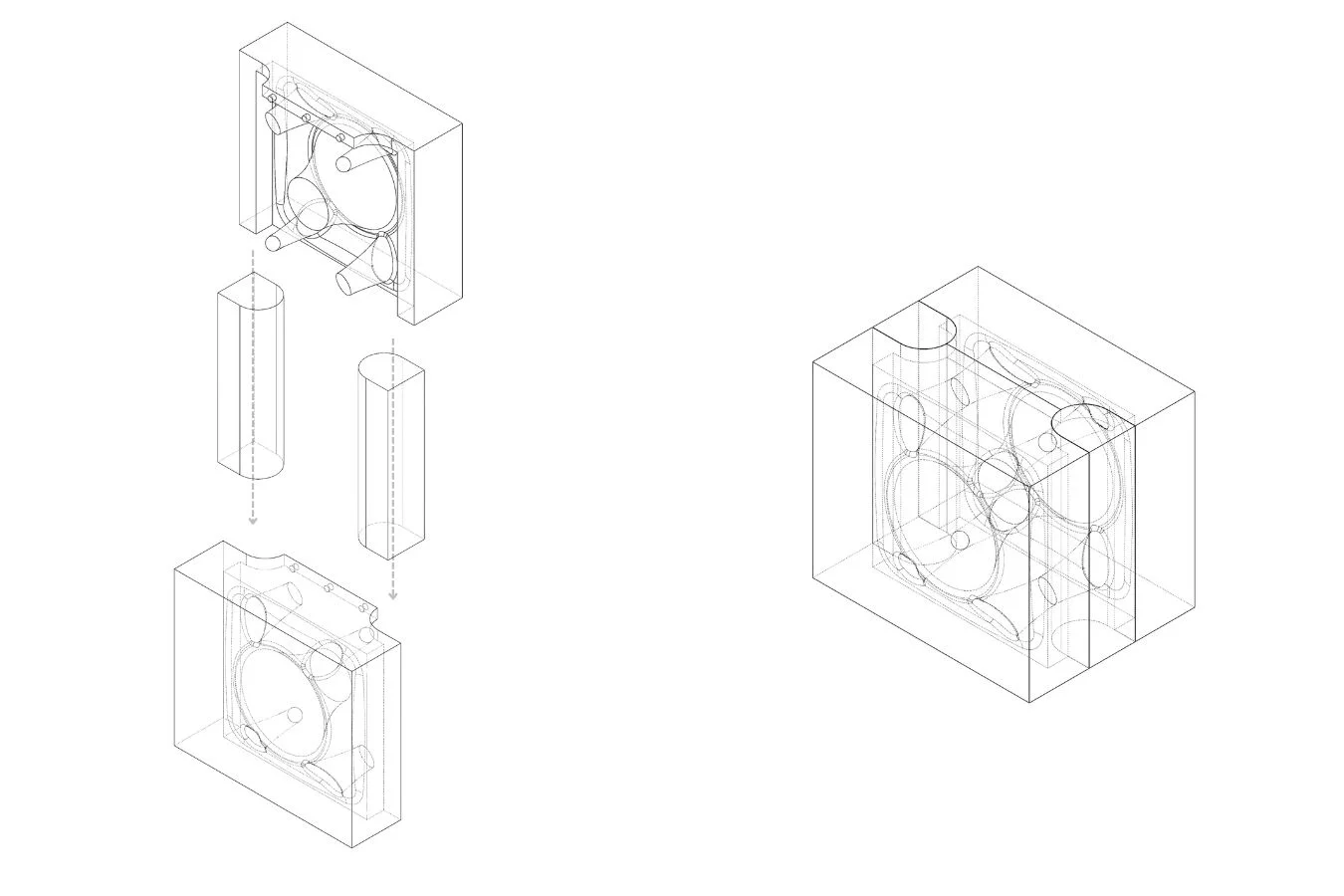
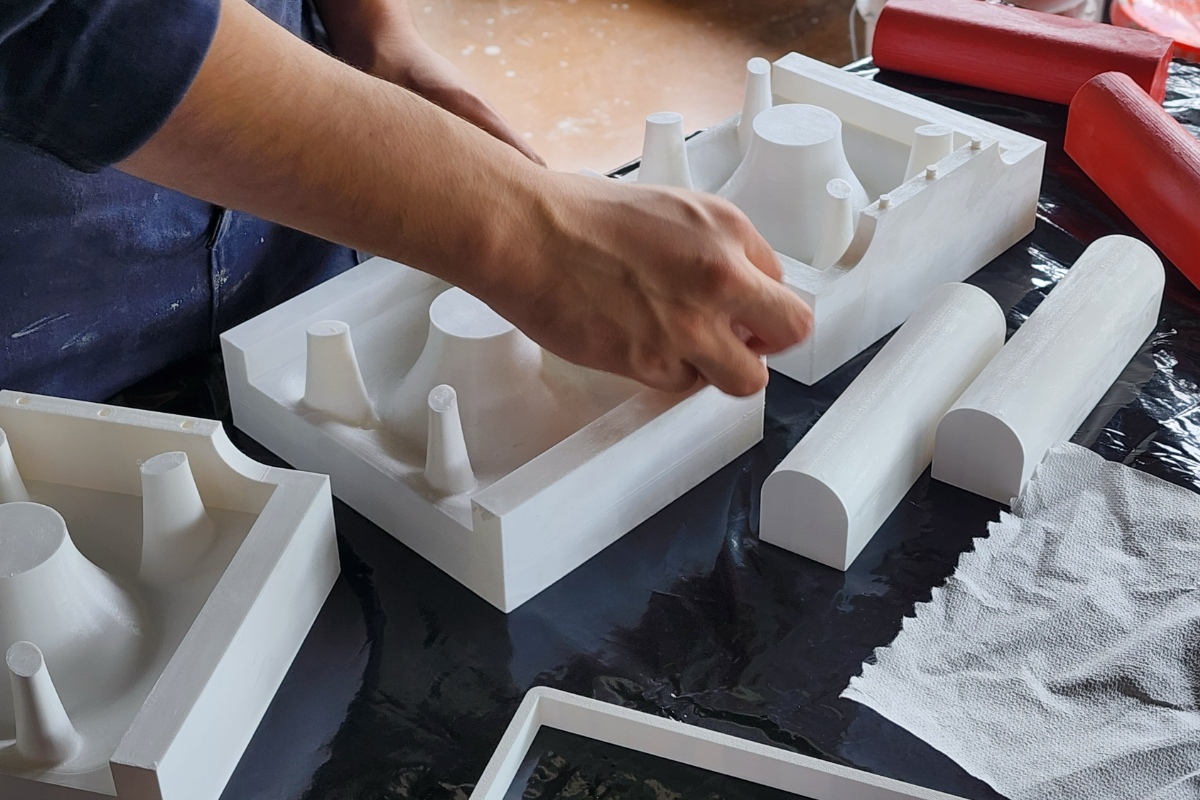
Once the geometry was validated physically, the design moved into full 3D modeling, enabling airflow simulations to corroborate the performance of each cavity. A high-precision 3D printed prototype served as the technical master for creating specialized molds, designed with draft angles and parting lines engineered for clean, repeatable demolding of the aerodynamic interior cavities.
Performance Simulation
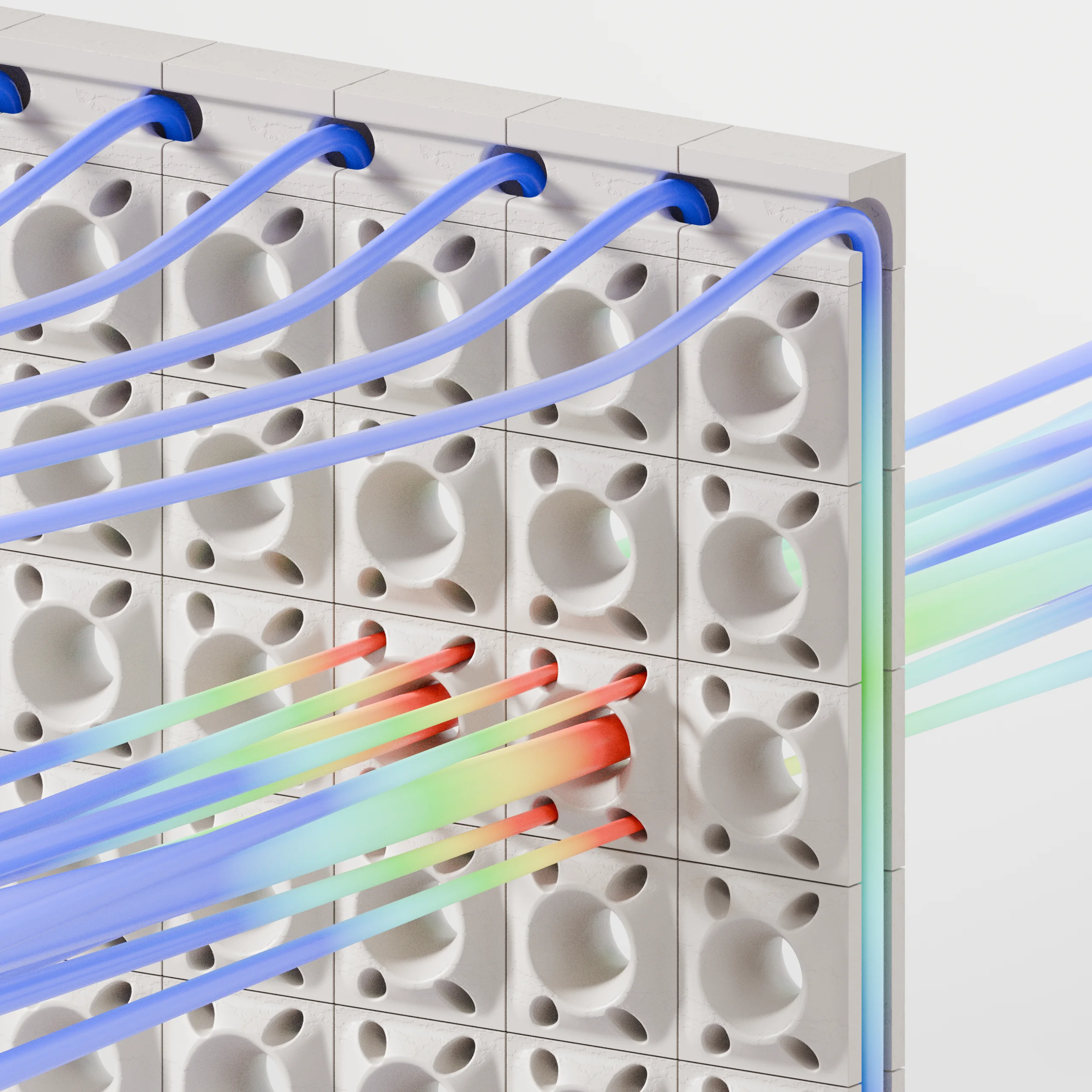
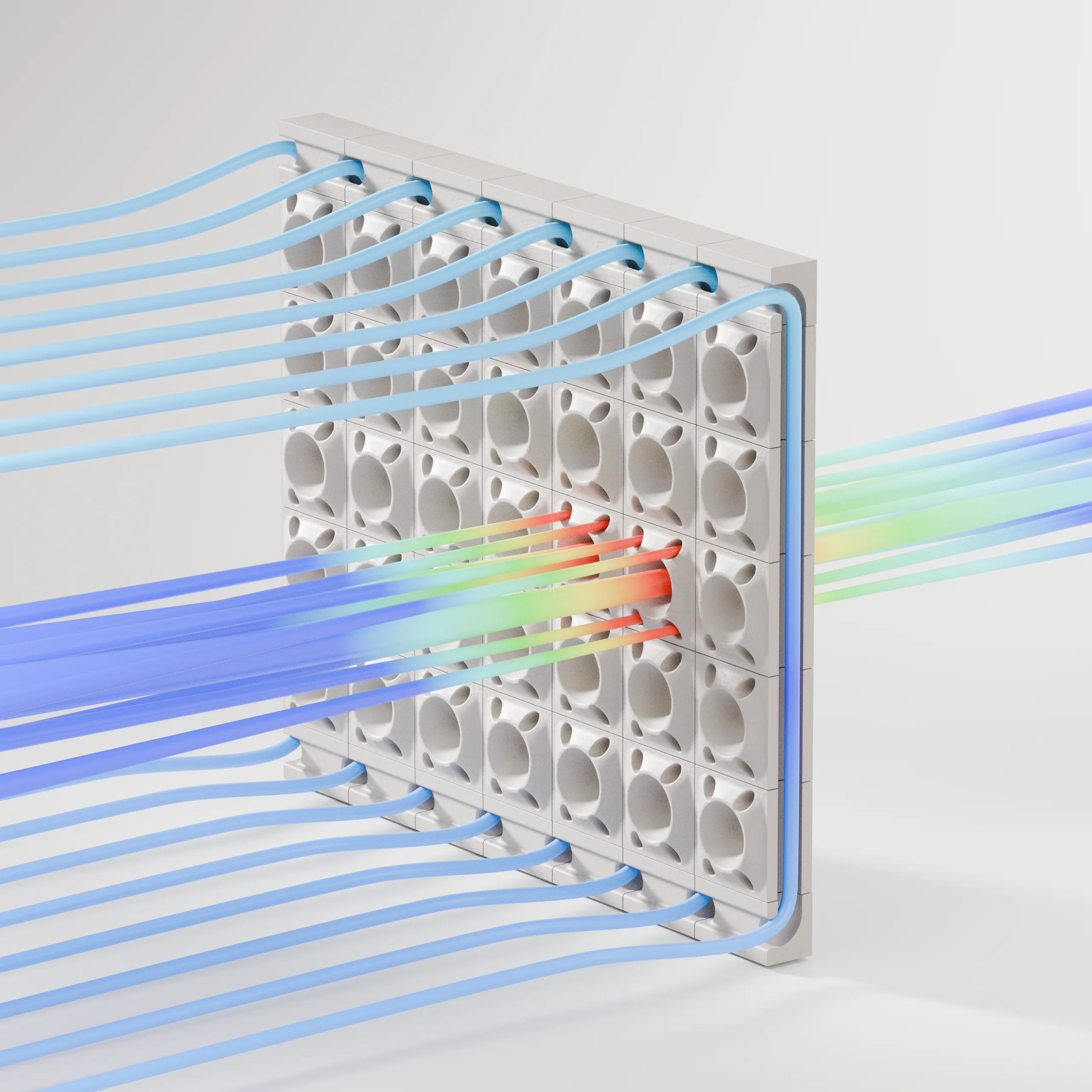
Advanced simulation tools were used to visualize the Bernoulli and Venturi effects occurring within the modules, providing quantitative data on airflow acceleration and identifying the optimal constriction ratio to increase wind speed as it passes through the lattice.
Mold Design and Fabrication
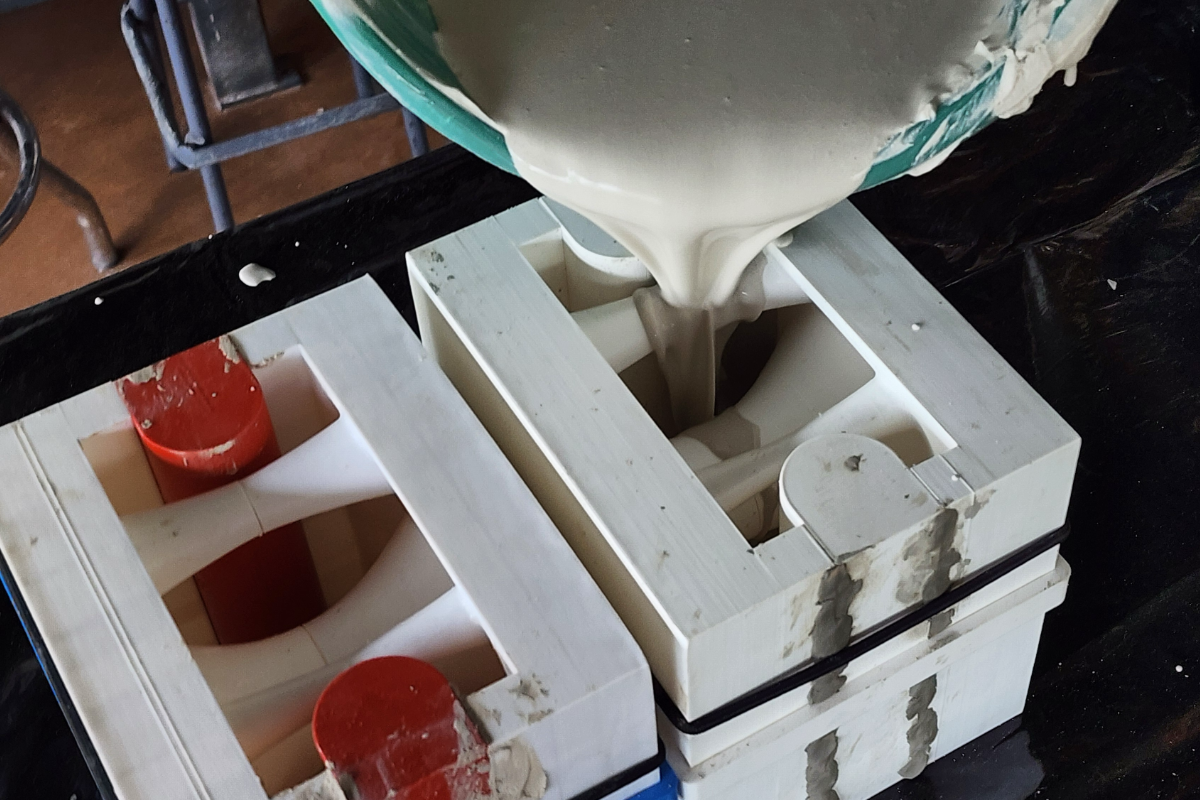
The mold was engineered for high-precision repeatability. Using the 3D printed PLA prototype as a technical master, a multi-part mold system was developed to capture the complex internal curvatures of each module without compromising the aerodynamic cavities. Draft angles and parting lines were refined during the prototyping phase to guarantee clean demolding in every cast. The result is a tooling setup that maintains consistent structural integrity and surface quality across production, making the system viable for repetition at architectural scale.
Final Iteration
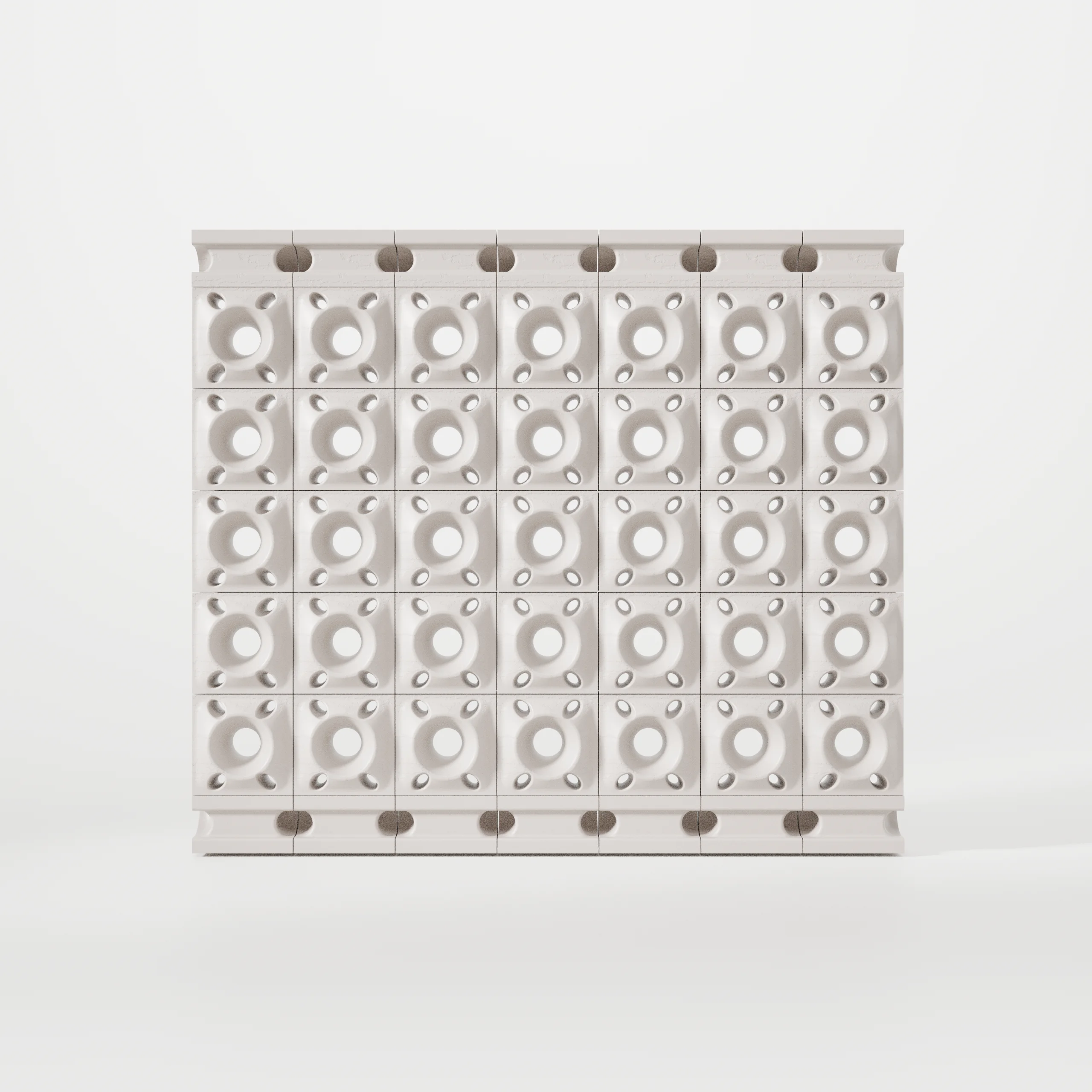
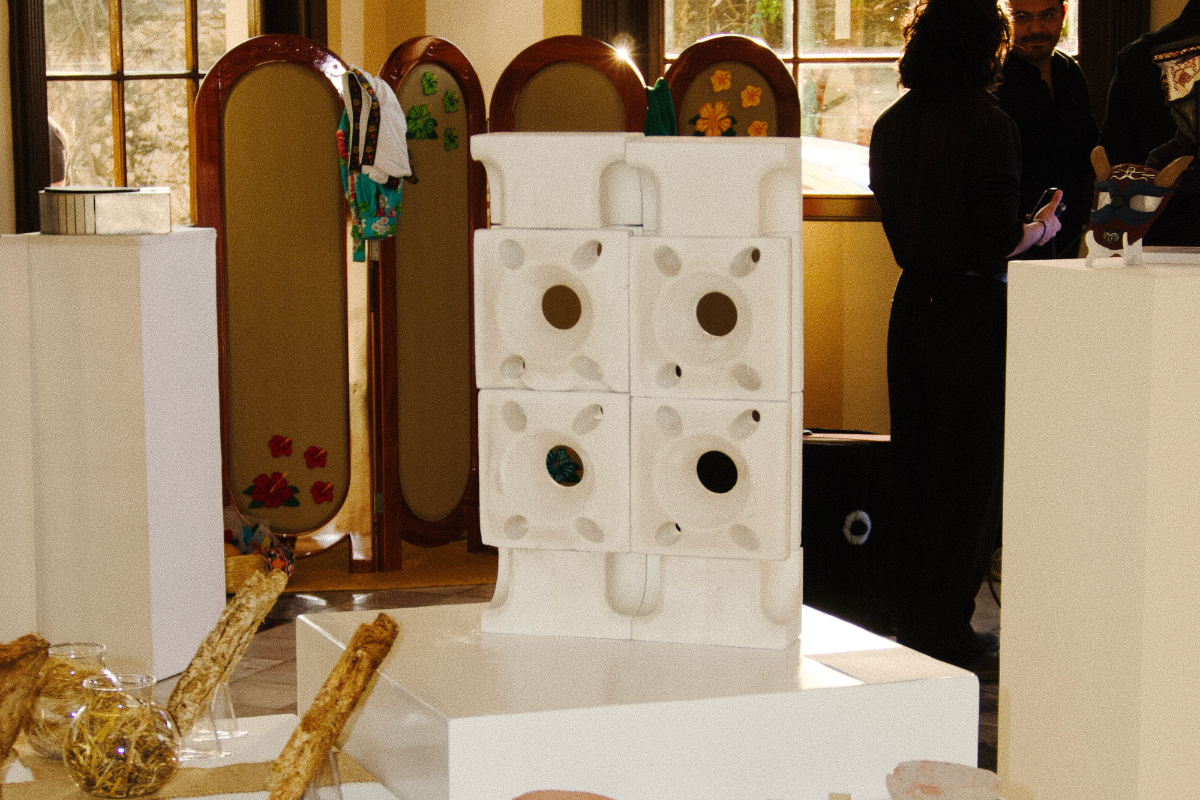
The final design is a refined 30×30 cm module that balances structural integrity with aerodynamic efficiency. Optimized internal angles and constriction ratios trigger the Venturi effect consistently, transitioning the concept from a technical hypothesis into a production-ready industrial product with seamless modular assembly for real-world architectural use.
Application
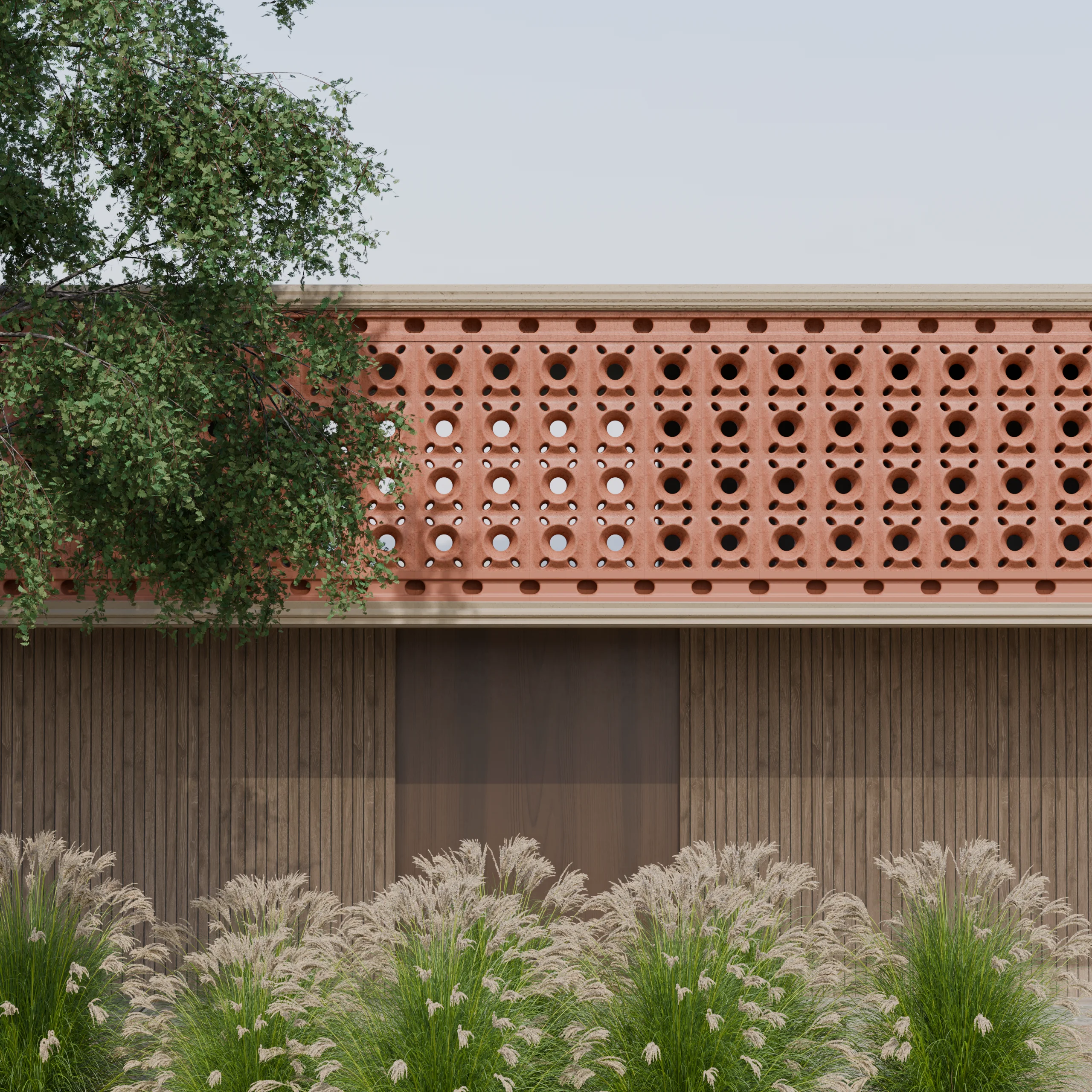
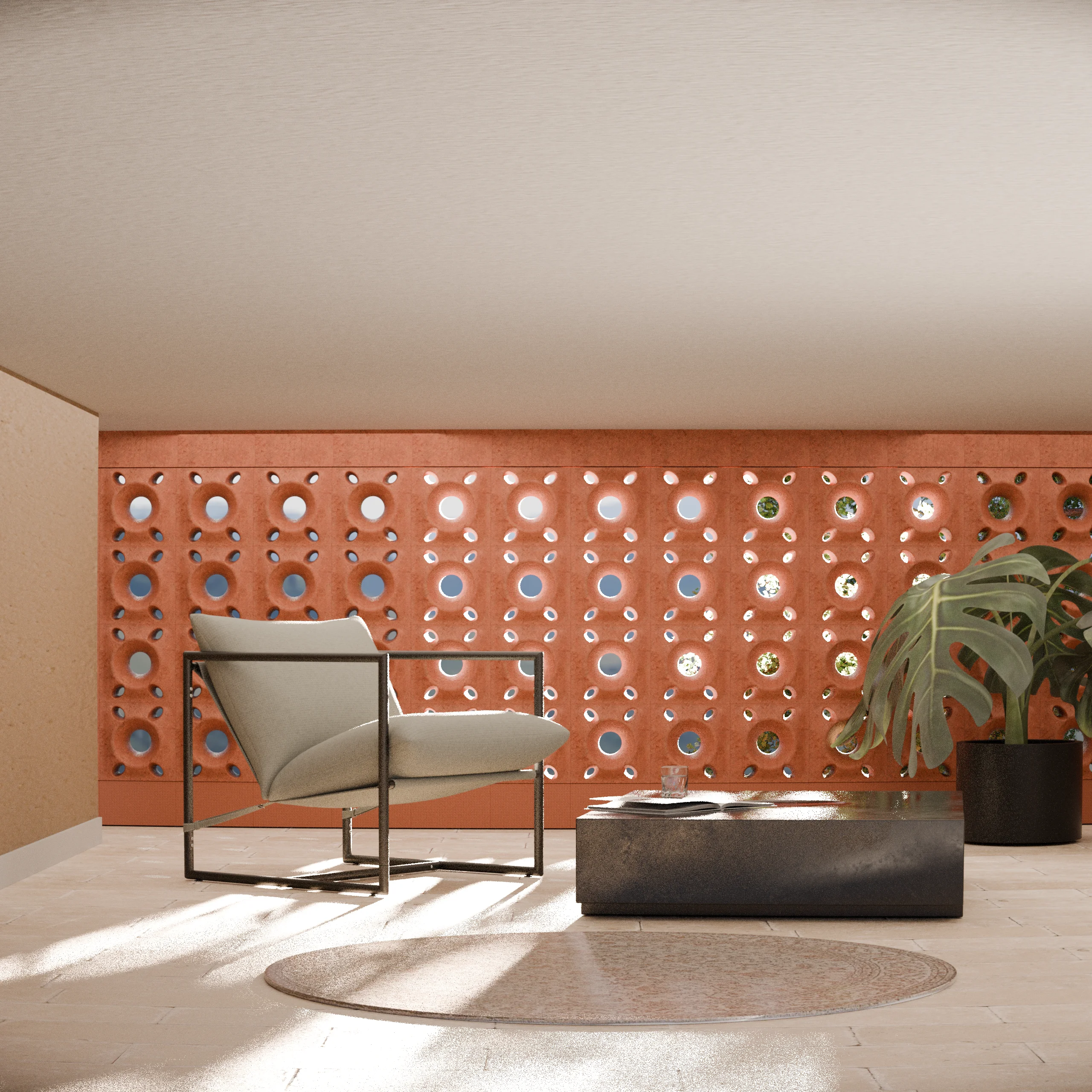
Beyond the single module, Ventra was envisioned as a full architectural surface. Rendered in context, the lattice performs as a ventilated rain-screen on a building facade and as a light-filtering interior partition — controlling solar gain and airflow while remaining porous to daylight and views.
Specs

| Effect | Venturi · Chimney · Bernoulli |
| Material | Gypsum cast · PLA prototype master |
| Module size | 30 × 30 cm |
| Process | 3D printed master mold · Gypsum casting · Multi-part mold system |
| Team | David Rojas González · Fabricio Rangel Girón · María Paulina Zahoul Cámara |